To rescue your old 35mm color slides, what is the best flatbed scanner and scanner software?
Posted July 12, 2023
by Nicholas Hellmuth, FLAAR Reports
Today in 2023 there are still thousands of photographers who need to scan their decades old 35mm color slides, B&W negatives, etc. There are many universities and museums whose photo archives from the previous century are still not scanned. Or, if scanned, are not at adequate resolution. So two of our teams are initiating a project to find the best scanner software and a good flatbed scanner.
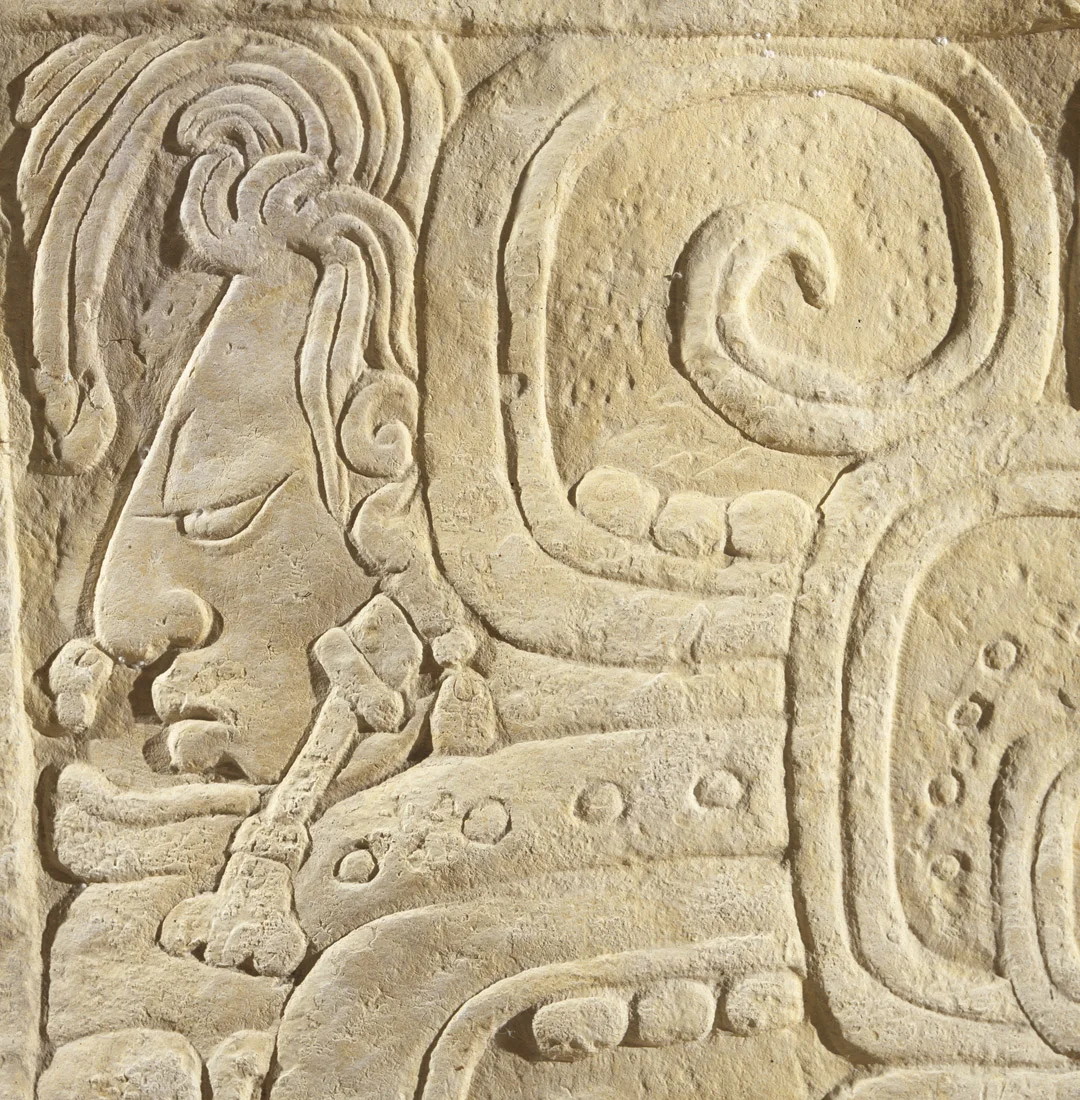
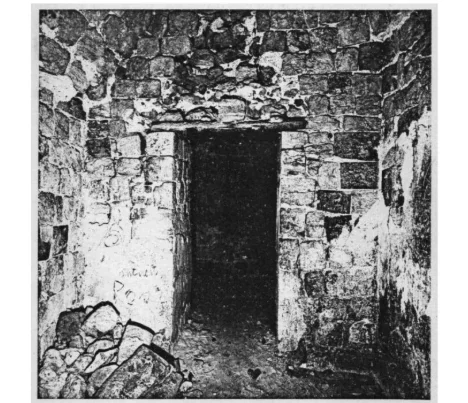
This is a 10MB file, cropped from the photograph shown here. This was scanned with the entry-level SilverFast software (that comes included with an Epson Perfection V850 Pro flatbed scanner); the full strength higher level SilverFast would be even better, so we wish to test the complete options of the Premium level.
We have a long-range research project to learn how to make it possible to have a server that can handle large files so that a student could do a thesis on how this was carved.
When you enlarge this image (if you have a 32” 4K monitor or comparable) you can see how it was carved. Our photos of other parts of this stelae document that minimum of two different sculptors carved the bottom panel.
But it takes high-resolution scans with top-of-the-line scanner software to achieve this quality.
The resolution to post a photo on a web page is traditionally only about 100KB (or less); that is a start, but it is essential to have, minimally, two more formats for professors and students: download of good enough resolution to make a full-page image in your thesis or dissertation or also download to make full page image in your PowerPoint presentation for professors. 100 to 400kilobytes is useless for scholarly research in-depth.
Then a super-high resolution is needed so that epigraphers can see all the details of the affixes of the hieroglyphs; so iconographers can see the details and spot deities or other iconographic aspects that are good enough resolution to do a line drawing. For all sculptures and ceramics it helps to have a detailed line drawing, such as by David Stuart, Stephen Houston, Karl Taube, Simon Martin, Matthew Looper, Carolyn Tate, Peter Mathews, Heather Hurst, Danial Salazar, Linda Schele, Ian Graham, Merle Green Robertson, John Montgomery, and the many other capable epigraphers, iconographers and archaeologists.
In the previous decade FLAAR Photo Archive was donated two Creo/Creo Scitex/Kodak scanners, top-of-the-line quality, but in recent years their firmware and software can’t easily be updated so they don’t work on Macintosh computers of today. And the connecting cables are of a size, shape and kind that they don’t plug into most new models of Mac. So today we have two Epson Perfection V850 Pro flatbed scanners (one in USA; one in Guatemala). This is their best model. We tried one of the 600-series and decided the Epson Perfection V850 Pro was by far a better choice.
In our USA research center we have basic SilverFast scanner software. I know the SilverFast brand of software for over many decades. I have met and spoken with Karl-Heinz Zahorsky, LaserSoft Imaging CEO and president many decades ago. SilverFast is their brand name for their wide range of scanning software products. We would like to upgrade our SilverFast software to their complete top level options in USA and have the same premium level here in Guatemala (where we have only the basic Epson scanner software; you need SilverFast to have awesome scans). Here is the software we look forward to testing:
- SilverFast HDR Studio, Premium
- SilverFast Ai Studio, Premium
- SilverFast SRDx, Photoshop Plug-in
- SilverFast Archive Suite
or if all that is in SilverFast All-in-One that might be the solution
To see the results of at least entry-level SilverFast software, we have an entire new page. In the future we will show the results with their Premium Level and their other options.