How many plants of Mesoamerica can provide latex? to make ballgame balls that bounce?
Posted February 15, 2019
We all know that Castilla elastica is the primary source of rubber for the Olmec, Maya, Aztec and everyone else in Mesoamerica. But how many other plants provide latex that can bounce when “vulcanized” by being boiled with appropriate chemicals?
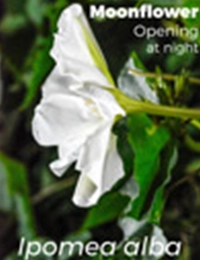
We are working with the park administration teams in the diverse eco-systems of Parque Nacional Yaxha Nakum Naranjo, Peten, Guatemala, to find all edible and utilitarian plants available for the Mayan people over thousands of years. We have already found THREE DIFFERENT plants, growing at Yaxha, that provide the chemicals to coagulate the latex of Castilla elastica (in other words we have found a lot more than just Ipomoea alba which is literally “everywhere” if you take a boat cruise around Lake Yaxha (the plant grows along the shores all the way around).
I just found mention of additional coagulating plants that we will now look for on upcoming field trips (so at least a fourth coagulating chemical option). Plus, I have stumbled upon indication of possibility of two additional plants that can provide functional rubber for making ballgame balls (when treated with chemicals from the other plants). Even more to my surprise, these two additional “possible rubber plants” are both findable in the Yaxha park. We have found one already but did not know it could produce rubber since this plant is not mentioned in one single book on Mayan ballgames). We have found the other but until it flowers we will not know its Genus and species. However we will try to identify it by its leaf size and shape.
So lots of being found at Parque Nacional Yaxha Nakum Naranjo which will allow us, without their being any LiDAR yet even initiated for these areas. We are discovering aspects of Classic Maya life (and ballgame sports) that I had no idea of despite having doing research on the ballgames of Mesoamerica during the 1990’s. We look forward to publishing the Genus species names of the surprise plants during March. So check back to our web pages every month, and to see and experience all these plants yourself, visit Parque Nacional Yaxha Nakum Naranjo