Scientific illustrations of crocodiles of Guatemala
Posted May 8, 2018
We (FLAAR Mesoamerica, in Guatemala) prepare materials for people around the world. Our scientific illustrations are to help zoologists and to assist students in their theses and dissertations. Our photographs of crocodiles help show everyone the endangered crocodilians that need protection. And our friendly MayanToons drawing style helps education children to learn about the differences between crocodiles, alligators, and caymans.
During the recent years that we have been doing research on crocodilians of Mesoamerica we noticed that most of the drawings of the profiles were fuzzy and not clear any more (since they were copies of copies of copies). So illustrator Josefina Sequen has been doing brand new drawings. To be sure we had up-close photographic details of the open jaws, we went to Honduras, we went to rivers and lakes throughout Guatemala. We obtained permission to get inside the crocodile pens at the zoos in order to do close-up photography of the teeth and structure of the heads (from top, front, and both profiles (the sides). These we will publish this year, but we start with an illustration that is several years old that we found when sorting through our library recently.
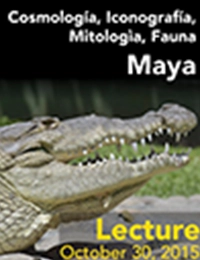
You can experience Crocodylus moreletii in Laguna Yaxha in front of hotel Ecolodge El Sombrero and in adjacent Parque Nacional Yaxha Nakum Naranjo. We have seen crocodiles literally every 100 meters along Rio San Pedro en route to biological research station Las Guacamayas. In past decades you could see crocodiles in the aguada behind the larger of the two museums at Tikal. Caimans are raised at CECON Tortugario to release into the lakes and swamps alongside Canal de Chiquilumilla, Monterrico, Pacific Coast area of Guatemala. All three species at La Aurora Zoo, Guatemala City. 40 years ago I was photographing crocodilians at ZOOMAT in Villahermosa, Tabasco, Mexico.
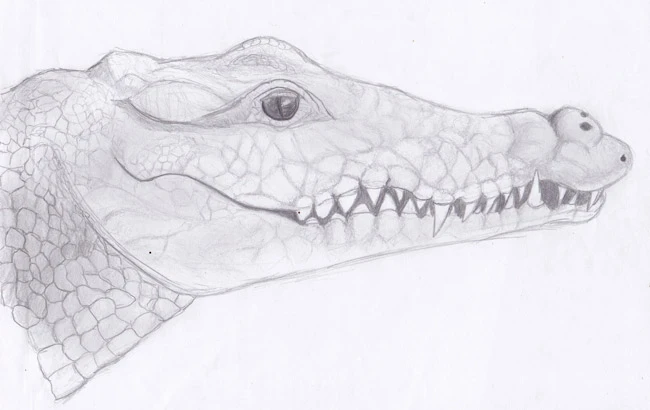
Scientific illustration of Crocodylus moreletii, FLAAR