Did the Classic Maya eat fruit of terrestrial bromeliads?
Posted Oct. 15, 2018
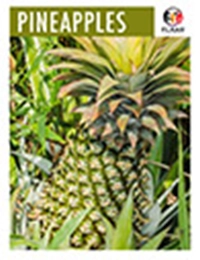
Here we show bromeliad fruits of a size and mass that I have not noticed previously in 54 years in Guatemala, Mexico, Belize, Honduras, or El Salvador.
Pedro Chub Choc noticed these plants as we were driving towards Melchor de Mencos from the Naranjo portion of Parque Nacional Yaxha Nakum Naranjo. These plants were several kilometers outside the park.
First goal is to identify the genus and species: Elena Siekavizza found they are Bromelia pinguin; Senaida Ba also suggested this was the botanical name. Next goal is to determine to what degree these fruits are edible. If so, then here is another underutilized edible plant, missing from probably 50% of published lists of what the Classic Mayan people hade available to eat 2000 years ago.
The Parque Nacional Yaxha Nakum Naranjo is a treasure trove of photogenic plants, birds, butterflies, monkeys swinging through the trees, and lots of other happy flora and fauna waiting for you to see them here in Peten area, Guatemala, Central America.
We of FLAAR (USA) and FLAAR Mesoamerica (Guatemala) have been in Central America for decades, so we know the best places to find, experience, and photograph the plants which surrounded the ancient Mayan archaeological sites: we highly recommend Parque Nacional Yaxha Nakum Naranjo as a place to visit (and if you are a student, professor, or interested lay person, it’s a great place to do research).
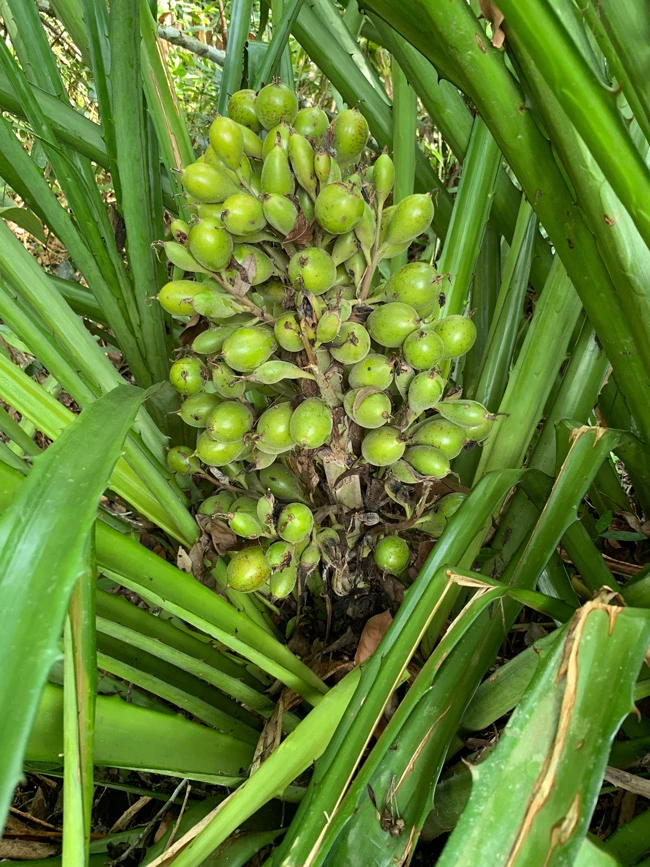
Photograph in natural sunlight with the brand new Apple iPhone Xs by Nicholas Hellmuth, FLAAR. We also have a Nikon D5 and a Canon EOS 1DX Mark II, but the iPhone Xs is so good that it’s easier to use.