An added Utilitarian native plant used by the Mayan people: Medicinal, Spice-Flavoring, Wood for House Construction
Posted February 07, 2020
The flowers of Malaqueta (also spelled Malagueta) have a heavenly aroma. The mature seeds have a great taste of the material around the seed (you don’t eat the seeds themselves, just the material around them). Standley and Steyermark say that in Honduras oil from the seeds is used as a hair tonic (1946: 294). And the trees (sadly, if chopped down) can be used for house construction in rural areas.
This tree also has parts with definitely medicinal properties. So we are working to:
- find precisely where this tree grows
- suggest to local people not to chop them down
- collect seeds with permission of local land owners
- make the seeds available for medical lab tests
We have learned a huge amount about Xylopia frutescens in recent months of research. Ethnobotanist Cyrus Lundell (1938) mentions only the use of the wood (as house poles and as poles to use instead of paddles to move dugout canoes in shallow water). He does not mention this tree as having any edible or medicinal part. But local people in Alta Verapaz, Guatemala, havetold us about the edible aspects. The medical aspects are in dozens of articles and monographs on medicinal plants.
We have plant scouts in several areas of Guatemala finding whatever plant we wish to photograph and study. Botanical reports based on dry specimens in Herbaria list Xylopia frutescens primarily from the Maya Lowlands of Izabal. But our plant scout team have found it near the Peten-Verapaz border and high in the moist forests of mountains of Alta Verapaz (we have seven years experience doing botanical field work between Rio Polochic (Lowlands) to Senahu (high in the mountains) to Cahabon (surrounded by mountains)).
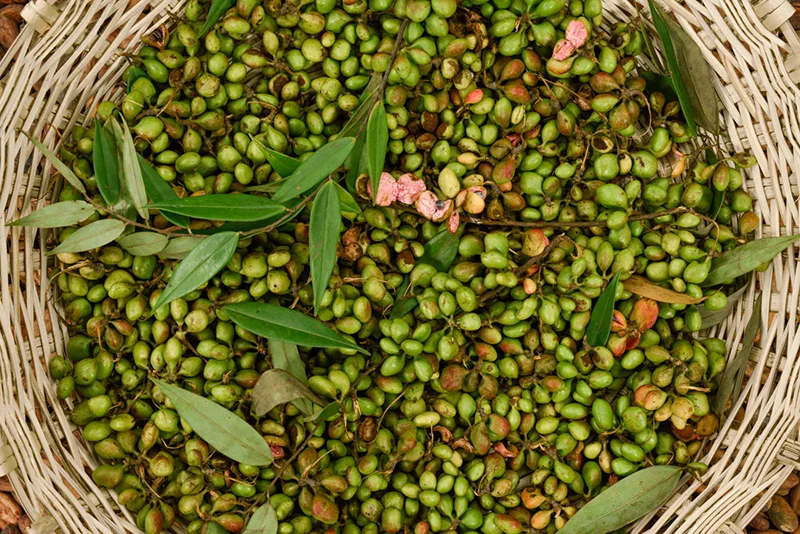
Our Q’eqchi’ plant scout made the 600 kilometer round trip back to the beautiful mountain area of Senahu, Alta Verapaz, and with the help of local people on their land was able to bring back some seeds so we could photograph them. He said that the local squirrels and birds ate most of them before he arrived but there are so many of these trees he was able to get some seeds. Later this year we will return when these trees are flowering to get photographs and macro close-up views of these flowers.
Based on multiple field trips combined with library research, we can now add Xylopia frutescens to the FLAAR list of edible and useful plants available to the Classic Maya. It is already well documented in many countries of Latin America as medicinal. We are checking to see whether it’s in books on medicinal plants of Mayan areas.